Search Tyre
February 11, 2026
Are Pirelli Tyres Good for SUVs & Crossovers?
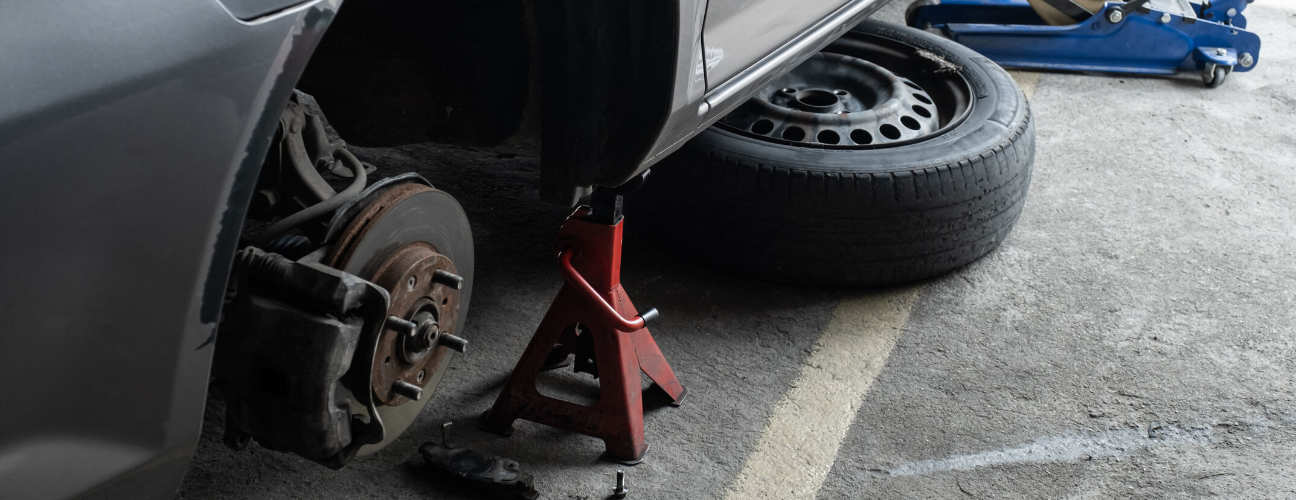
When you press the brake pedal, it's easy to focus solely on the brake pads, but safely bringing your vehicle to a halt depends on both your brake pads and tyres equally. Tyres are the only part of your vehicle that touches the road, so their grip must be firm enough for braking systems to function.
Low tread or incorrect inflation significantly increases the stopping distance, sometimes by more than 120 feet, when tread depth falls to less than 4⁄32″. Tyres and brakes together constitute one safety system, and ignoring either leaves drivers in grave danger.
This blog explores why maintaining both is crucial, how to recognize warning signs, and the benefits of combining services to make your car secure, economical, and dependable.
Pad braking power provides friction for slowing or stopping the car, and the tyres give external grip on the surface for braking. A poor grip on the tyres causes difficulty for the braking system in bringing a vehicle to a safe halt in a timely manner.
Tyres that are short on tread or underperforming pressure lessen surface contact with the ground. This weakens the friction that brake pads rely on for their operation. Braking distance lengthens and vehicle stability reduces mainly in wet or uneven surface conditions.
On the other hand, if the brake pads are worn out or unevenly worn, the potential exists to exert uneven force on the tires. In their turn, irregular tyre wear presents itself, either one-sided or in patches. This not only shortens the lifespan of your tyres but also impinges on steering and control.
Furthermore, tyre problems such as misalignment and underinflation cause the braking system to work unnecessarily hard; this imbalance consequently causes uneven wear of brake components and, in some cases, warping of the rotors and pads.
The interdependence of both systems means that the optimal upkeep of one system directly benefits the other. Maintenance of your tyres ensures your brakes work more effectively, and properly serviced brakes ensure your tyres wear evenly and last longer.
Your tyres and brake pads are a safety system thus, servicing them together enhances the vehicle's performance and ensures that minor issues do not grow bigger. It also prevents sudden vehicle failure on the road.
Changing brakes and tyres simultaneously gives maximum road-binding and ensures responsiveness to the brakes, which further leads to better control in times of emergency or tricky driving environments.
Tyres should be properly serviced to avoid dragging and to deliver smooth riding, which subsequently helps in better fuel economy.
Grouping your brake and tyre maintenance into one car service session saves on labor costs and has both systems functioning at their best when aligned.
The risk of abrupt brake failure or tyre blowout decreases with regular servicing, hence reducing your chances of expensive emergency repairs.
Grouping your brake and tyre maintenance into one car service session saves on labor costs and has both systems functioning at their best when aligned.
Make sure your vehicle is kept in good repair, especially brake checks and tyre checks. If you compromise one for the other, then all is made worse with safety hazards and an increase in long-term costs.
Skidding or drifting to one side under hard braking or slippery conditions will occur if you have worn tyres and badly adjusted brakes.
Going with worn tyres or brakes results in more distance needed for your vehicle to halt; an emergency could be the fateful push in that accident.
Overlooking one system results in overcompensation by the other, generating stress on suspension, steering, rotors, and even on your vehicle's alignment.
Minor problems in one component, if not attended to, tend to lead to costly repairs or complete replacement of both systems in the future.
It is when something is wrong with the brakes and tyres that your car usually tries to tell you to do something about it. Ignoring warning signs like these would be hazardous to safety and would bring about high repair charges. In the presence of a technician, the following are the most common warning signs that require his attention:
Squeaking, grinding, or vibrations while braking are signs of worn-out brake pads or warped rotors, all of which must be immediately attended to.
If your tyre tread is less than 2–3mm or the surface is bald, then it's time to either replace or turn to ensure proper road grip.
If your steering pulls to one side, then it may be a result of uneven brake pad wear or tyre alignment.
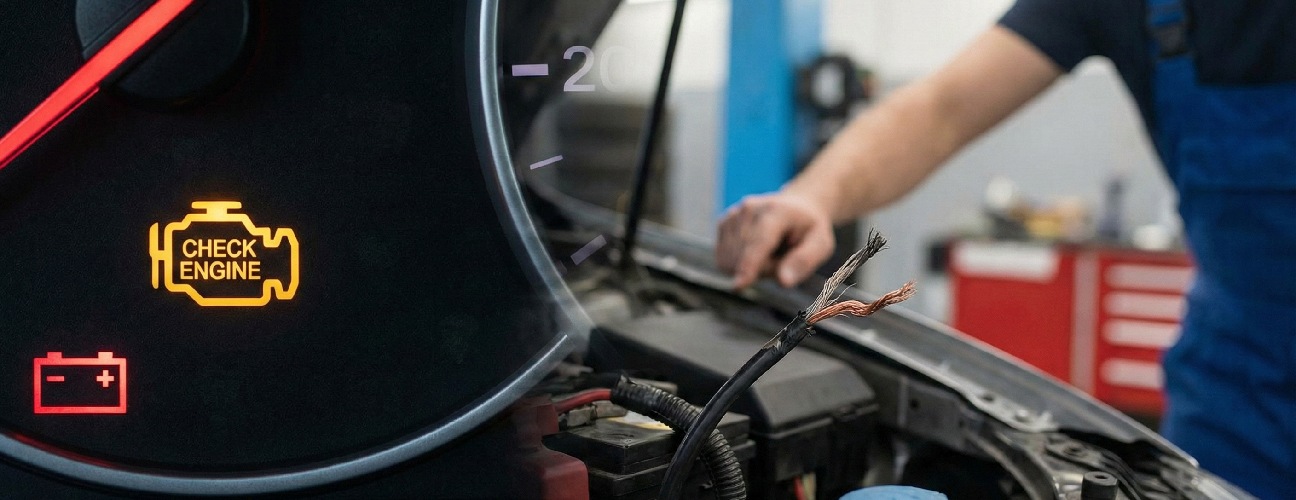
The ABS or brake warning lights appearing on your dashboard are good indicators that your braking system requires inspection.
The capacity to skid or pull to one side in times of heavy braking on wet roads is more of a bad alignment than mere worn tyres.
If the brake pads or tires are in a state of wear or damaged with a squealing sound from the pads, low tread because it is too thin, or vibration of the discs while braking, they should never be disregarded. Do this:
It is unsafe to travel with faulty brakes or worn tires for yourself and others on the road. There have been cases of accidents because of too long a braking distance, the absence of grip, or unexpected failures. Once you get any strange feeling, do stop long-distance driving. At that moment, take a safe route; don't hit the high-speed road.
Do-it-yourself inspections are useful, but only qualified technicians can accurately determine the real wear on brake parts and the condition of the tyres. If you're looking for trustworthy, affordable, and expert-level car maintenance, DWB Tyres is the place to go. From full brake pad service to excellent car tyre service, their skilled staff makes sure your vehicle is ready to roll and secure on the road. And having both processes done simultaneously can save time and money, without sacrificing quality.
Your brake pads and tyres are not merely components; they are partners in safety. One worn or neglected causes the other to be overstressed, endangering your vehicle's control, performance, and your peace of mind. Regular maintenance of both ensures smoother drives with less stopping distance and fewer unexpected breakdowns.
Do not wait for signs to become costly problems: book a complete brake and tyre check-up with DWB Tyres today, and have the confidence to drive your car in expert hands.
Visit us at DWB Tyres or call us now to schedule your car service!